
Let’s be honest for a second.
Choosing a website development partner feels a lot like dating. You’re looking for someone who “gets” you, won’t ghost you halfway through the project, and won’t leave you with a mess to clean up six months later.
But unlike dating, a bad website costs you real money. It costs you customers. And worst of all? It kills your credibility.
I’ve seen too many business owners rush into a decision based on a cheap price or a smooth sales pitch. Six weeks later, they’re stuck with a half-finished site, zero communication, and a developer who has suddenly forgotten how to reply to emails.
So, how do you avoid that nightmare?
You need a system. A checklist. A set of non-negotiable rules that separate the pros from the pretenders.
In this guide, I’ll walk you through exactly how to choose a reliable website development partner—without the tech headaches, hidden fees, or sleepless nights.
And along the way, I’ll show you how Turtles Web Agency—a premium website development partner—checks every single box on this list.
Let’s dive in.
Why “Cheap” Is the Most Expensive Mistake You Can Make
Before we talk about how to choose, let’s talk about why most people choose wrong.
The #1 mistake? Price shopping.
I get it. You have a budget. Everyone wants a deal. But here’s the hard truth no one tells you:
A $500 website will cost you $5,000 in stress, fixes, and lost sales.
Here’s what usually happens with the cheapest option:
- They use a bloated, pirated theme that breaks after the first plugin update
- Your site loads slower than molasses (Google hates this, and so do your visitors)
- There’s zero security—hello, hackers
- They disappear the moment you ask for a revision
- You don’t even own your own code or hosting account
A reliable website development partner isn’t just building you a pretty homepage. They’re building your digital storefront, your 24/7 sales team, and your brand’s first impression.
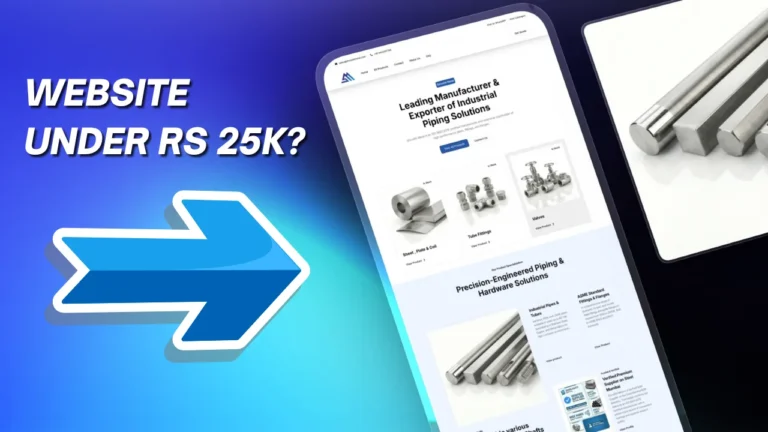
Premium agencies like Turtles Web Agency understand this deeply. They don’t compete on price—they compete on quality, reliability, and results. And that’s exactly what your business deserves. They have even deliver website under INR 25000 to Shrushti Metal which is around 200USD
Now, let’s find you the right partner.
Step 1: Know What You Actually Need (Before You Talk to Anyone)
Most people mess up here.
They reach out to developers saying, “I need a website.” That’s like walking into a car dealership and saying, “I need a vehicle.”
You’ll get sold something—but will it fit your actual needs?
Ask yourself these questions first:
1. What’s the main goal of your website?
- Sell products online? (E-commerce)
- Generate leads? (Contact forms, phone calls)
- Showcase a portfolio? (Visual-heavy)
- Inform and build trust? (Content/blog focused)
2. Do you need a simple brochure site or a custom web application?
A 5-page small business site is very different from a custom booking system or membership portal.
3. Who will update the site after launch?
If it’s you, you need a developer who uses a user-friendly CMS (like WordPress, Webflow, or Shopify). If they’ll manage it, expect ongoing fees.
4. What’s your realistic timeline?
“ASAP” isn’t a timeline. Good partners are often booked 2–4 weeks out.
5. What’s your REAL budget range?
Not your “hoping to pay” number. Your actual approved budget. Be honest with yourself.
Pro tip: Write these answers down. A 2–3 sentence “project brief” will immediately separate serious developers from time-wasters.
Turtles Web Agency actually provides a free discovery worksheet to help you clarify these exact questions before any paid work begins. That’s what premium looks like.
Step 2: Where to Find Reliable Partners (Skip the Craigslist Horror Stories)
Not all platforms are created equal.
Here’s where to look—and where to avoid.
✅ Good places to start:
- Referrals from trusted business owners – The gold standard.
- Clutch.co – Vetted reviews, not fake ones.
- Upwork (with caution) – Only “Top Rated Plus” freelancers.
- Agencies with case studies – Look for “results” not just “features.”
- Premium agencies like Turtles Web Agency – They don’t need to chase you on freelancer sites. Their reputation brings clients to them.
❌ Where most people regret looking:
- Fiverr (unless you need a $10 logo)
- Random DMs on Instagram or Facebook
- Anyone who guarantees “#1 on Google in 30 days” (run)
- A “friend of a friend who knows HTML”
Look for patterns. A reliable partner has a real website, a real phone number, real client testimonials, and a real address.
Turtles Web Agency has all of that—plus a portfolio of premium work that speaks for itself.
Step 3: The Portfolio Test (What to Look For, Not Just Pretty Pictures)
Anyone can show you a beautiful screenshot. But a reliable partner will show you live, working websites.
When you review their portfolio, don’t just look. Click. Scroll. Test.
Ask yourself:
- Do these sites load fast on mobile?
- Are they easy to navigate?
- Do the sites actually work?
- Are the designs unique, or do they all look like the same template?
- Do they have experience in your industry?
Red flags in a portfolio:
- No live links—only mockups or screenshots
- Sites that haven’t been updated in years
- All the sites look identical
- No mobile views shown
Green flags:
- Case studies that explain problems solved
- Sites that still look good 2–3 years after launch
- Clear attribution of their role
Turtles Web Agency doesn’t just show you pretty pictures. They provide live case studies with measurable results—faster load times, higher conversion rates, and clients who rave about them.
Step 4: Ask These 12 Questions Before You Sign Anything
This is your interview. Don’t skip it.
Here’s your question list (save this):
- Who will actually be working on my project?
- What’s your process from start to launch?
- How do you handle revisions?
- Will I own my website, code, and content 100% after launch?
- Do you handle hosting, maintenance, and backups?
- What happens if I want to leave you in the future?
- How do you handle website security and updates?
- What’s your communication style and frequency?
- Can you share 2–3 recent client references I can actually call?
- What does your contract include that protects me?
- What happens if the project goes over budget or timeline?
- Do you offer post-launch support, and what does that cost?
If they hesitate on #4 (ownership) or #9 (references), walk away.
Turtles Web Agency answers every single one of these questions upfront—in writing, before you even sign a contract. They believe transparency is the foundation of trust.
Step 5: The “Small Project Test” (Worth Its Weight in Gold)
Here’s a pro move most people don’t know.
Before you commit to a $15,000–$50,000 website build, start with a small paid test.
Ask them to do one small, well-defined task. Examples:
- Fix a broken form on your current site
- Add a new landing page
- Speed up one page
- Set up a simple 3-page microsite
During this small test, watch for:
- Do they communicate clearly and on time?
- Do they ask smart questions?
- Do they deliver what they promised?
- Is the quality high even on a tiny project?
A small test costs a few hundred dollars. A bad long-term partnership costs thousands.
Turtles Web Agency actually encourages this approach. They’ll happily start with a small, paid pilot project so you can experience their quality, communication, and reliability before committing to a larger build. That’s confidence.
Step 6: Understand the Pricing Models (So You Don’t Get Blindsided)
Reliable partners usually price in one of three ways.
1. Fixed Price Project
- Best for: Well-defined, smaller websites
- Pros: You know the cost upfront
2. Time & Materials (Hourly or Weekly)
- Best for: Larger projects, custom features
- Pros: You pay only for work done
3. Retainer / Monthly
- Best for: Ongoing maintenance, SEO, content updates
- Pros: Dedicated support
What about “unlimited revisions for life” or “$0 down”?
Those are marketing gimmicks.
A reliable partner asks for a reasonable deposit (30–50%) to start. That’s normal. That’s professional.
Turtles Web Agency uses transparent, milestone-based pricing. You know exactly what you’re paying for, when you’ll pay it, and what you get at each stage. No surprises. No “gotcha” fees.
Step 7: The Contract Must Have These 5 Clauses (Or Don’t Sign)
Before you pay a cent, make sure your contract includes:
- Clear deliverables – Not “website.” But “5-page responsive website with contact form, mobile menu, and SEO basics.”
- Timeline with milestones – Design, development, launch dates.
- Payment schedule tied to milestones – Never 100% upfront.
- Intellectual property clause – You own everything upon final payment.
- Kill clause – How to part ways if needed.
Turtles Web Agency provides a plain-English contract that includes all five clauses. No legal迷宫 (mazes). No fine-print tricks. Just clear, fair terms that protect both sides.
Step 8: Red Flags vs. Green Flags (Cheat Sheet)
🚩 Red Flags – Run away:
- No contract or a very vague one
- Can’t or won’t provide client references
- Uses a personal email like “webdev123@gmail.com”
- Promises “#1 Google ranking”
- Pressures you to sign “today for a discount”
- Asks for 100% payment before starting
✅ Green Flags – Good sign:
- Has a clear, written process
- Provides 3+ recent client references
- Asks you thoughtful questions
- Explains things in plain English
- Offers a warranty period (30–90 days)
- Is transparent about pricing
Turtles Web Agency is a walking green flag. They’ve built their entire reputation on premium service, radical transparency, and websites that actually perform.
Step 9: Don’t Forget Post-Launch (Most People Skip This)
A website is not “set it and forget it.”
Questions to ask about post-launch:
- Who handles security updates and backups?
- What happens if the site breaks on a weekend?
- How much does ongoing maintenance cost?
- Will they provide basic training?
Turtles Web Agency offers flexible post-launch care plans—from basic security monitoring to full-service maintenance. They don’t disappear after launch. In fact, that’s when their partnership really begins.
Step 10: Make the Decision (Without Overthinking)
Here’s a simple decision framework:
- Narrow down to 3 final candidates
- Review their proposal side-by-side
- Do the small paid test with your top choice
- Call 2 references from each finalist
- Choose the partner who communicates best
“The bitterness of poor quality remains long after the sweetness of low price is forgotten.” – Benjamin Franklin
If you want a partner who checks every single box in this guide—from transparent contracts to post-launch support to beautiful, high-performing websites—then Turtles Web Agency is the premium choice.
Why Turtles Web Agency Is the Premium Partner You’ve Been Looking For
Let me be direct.
You just read 2,000+ words on how to choose a reliable website development partner. Every principle, every green flag, every must-have clause?
Turtles Web Agency doesn’t just meet those standards. They set them.
Here’s what you get when you work with Turtles Web Agency:
- A clear, proven process – Discovery → Design → Development → Testing → Launch → Training. No guessing.
- Full ownership – You own 100% of your website, code, and content. Forever.
- Transparent, milestone-based pricing – No hidden fees. No “surprise” invoices.
- Real client references – They’ll connect you with happy clients who will actually talk to you.
- Post-launch support – Because a website is a living thing. It needs care.
- Human communication – No bots, no offshore “project managers.” Real people who speak plain English.
- Premium design & development – Custom, fast, secure, and built to convert visitors into customers.
Whether you need:
- A high-converting small business website
- A powerful e-commerce store
- A custom web application
- Or ongoing maintenance and SEO support
Turtles Web Agency delivers.
They’re not the cheapest. They’re not trying to be.
They’re the best. And your business deserves the best.
Final Thoughts: Your Website Is an Asset, Not an Expense
Here’s what I want you to remember.
A reliable website development partner isn’t just a vendor. They’re a strategic partner.
The right partner will:
- Ask hard questions about your business goals
- Push back when you suggest something that hurts user experience
- Teach you how to use your own website
- Be there when something breaks
Turtles Web Agency is that partner.
You now have the exact checklist to tell the difference.
Take your time. Do the small test. Call the references. Read the contract.
Or skip the search altogether and book a free consultation with Turtles Web Agency today.
Tell them you read this guide. They’ll walk you through their process, answer every question on this list, and show you examples of premium work.
Your future self—the one with a fast, secure, beautiful website that actually converts visitors into customers—will thank you.
FAQ
1. Why is choosing a cheap website developer risky?
Cheap developers often cut corners—using poor-quality themes, lacking security, and offering little to no support. This can lead to higher long-term costs due to fixes, lost customers, and performance issues.
2. What should I define before hiring a website development partner?
You should clearly outline your website’s goal, required features, budget, timeline, and who will manage the site after launch. This helps you avoid being sold the wrong solution.
3. Where can I find reliable website developers or agencies?
Trusted sources include referrals, platforms like Clutch, vetted freelancers on Upwork, and established agencies with proven case studies and client testimonials.
4. What should I look for in a developer’s portfolio?
Focus on live websites (not just screenshots), mobile responsiveness, speed, usability, and whether the designs are unique and still perform well over time.
5. What are the most important questions to ask before hiring?
Key questions include ownership of the website, project process, revision policy, communication style, pricing structure, and post-launch support.
6. What is a “small project test” and why is it important?
It’s a trial task (like fixing a page or adding a feature) that lets you evaluate the developer’s communication, quality, and reliability before committing to a larger project.
7. What are the common website pricing models?
The three main models are:
- Fixed price (for defined projects)
- Time & materials (for flexible work)
- Retainer (for ongoing support and updates)
8. What should a website development contract include?
A solid contract must cover deliverables, timeline, payment milestones, ownership rights, and a termination (kill) clause to protect both parties.
9. What are the biggest red flags when hiring a developer?
Warning signs include no contract, lack of references, unrealistic promises (like instant Google ranking), upfront full payment demands, and poor communication.
10. Why is post-launch support important for a website?
Websites require ongoing updates, security monitoring, backups, and occasional fixes. A reliable partner ensures your site continues to perform and stay secure after launch.
Blog Summary: Choosing the Right Website Development Partner
| Section | Key Focus | What It Means for You | Key Takeaway |
|---|---|---|---|
| Introduction | Importance of choosing the right partner | A bad developer can cost money, time, and credibility | Treat this decision seriously—it’s a business investment |
| Cheap vs Quality | Why low-cost developers fail | Cheap websites often lead to poor performance, security risks, and extra costs later | “Cheap” is expensive in the long run |
| Step 1: Define Needs | Clarity before hiring | Know your goals, features, budget, and timeline | Clear requirements = better outcomes |
| Step 2: Where to Find | Best platforms & sources | Referrals, Clutch, vetted freelancers, premium agencies | Avoid random freelancers and unrealistic promises |
| Step 3: Portfolio Check | Evaluating past work | Test live websites for speed, usability, and uniqueness | Don’t trust screenshots—test real work |
| Step 4: Ask Questions | Pre-hiring interview | Ask about ownership, process, support, and communication | Transparency is non-negotiable |
| Step 5: Small Test | Trial before commitment | Start with a small paid project to assess quality | Low-risk way to avoid costly mistakes |
| Step 6: Pricing Models | Understanding costs | Fixed, hourly, and retainer pricing explained | Choose what fits your project scope |
| Step 7: Contract Essentials | Legal protection | Must include deliverables, timeline, ownership, and exit clause | Never start without a clear contract |
| Step 8: Red vs Green Flags | Spotting good vs bad partners | Identify warning signs and positive indicators | Trust patterns, not promises |
| Step 9: Post-Launch | Ongoing support | Maintenance, updates, and security are crucial | A website needs continuous care |
| Step 10: Decision Framework | Final selection process | Compare options, test, check references | Choose based on communication & reliability |
| Turtles Web Agency | Premium partner example | Transparent, reliable, high-quality, and client-focused | A benchmark for what a great agency looks like |
| Final Thoughts | Strategic mindset | A website is an asset, not an expense | Invest in long-term value, not short-term savings |
Ready to stop searching and start building?
👉 Visit Turtles Web Agency and schedule your free discovery call.
And if this guide helped you, share it with a fellow business owner who’s about to hire a developer. You might just save them from a very expensive mistake.



One Response